Spring Home Refresh: Find Local Contractors for Wall Removal
Spring is a great time to plan property refreshes, and experienced local contractors can efficiently handle dead animal removal from walls to restore safety and comfort.
Spring is often considered an ideal time to address issues related to dead animals in wall cavities. As the weather warms and homes transition from winter heating, property owners may become more aware of odors or signs of animal activity that have accumulated over the colder months. Additionally, spring’s milder conditions make it easier for contractors to access wall spaces, perform inspections, and carry out removal and cleanup work efficiently. This season also encourages property owners to undertake maintenance and improvement projects as part of their seasonal home refresh, making dead animal removal a practical step in preparing a home for the warmer months ahead.
Typically, dead animal removal services cover the identification and safe extraction of carcasses from wall spaces, as well as the cleaning and deodorizing of affected areas. Local contractors often inspect walls for signs of animal activity or carcass presence, then carefully remove the remains to prevent further odor or pest issues. Many service providers also offer recommendations for preventing future occurrences, such as sealing entry points or implementing deterrents. The scope of work may include damage repair, insulation replacement, and thorough sanitation to restore the affected areas to a clean and odor-free condition.
When comparing local options for dead animal in wall removal, property owners should consider the experience and reputation of service providers in their area. It’s helpful to review the types of services offered, ensuring they include inspection, removal, cleanup, and prevention advice. Asking about the methods used for carcass removal and sanitation can also provide insight into the thoroughness of the work. Additionally, seeking out local contractors with positive feedback and a history of reliable service can help property owners find experienced professionals capable of handling the job effectively and efficiently.
Compare local contractors to find the best fit for your spring wall removal project by outlining priorities and options.
- Expert Dead Animal Wall Removal - Local contractors have the tools and experience to safely remove animals from wall cavities.
- Comprehensive Inspection Services - Professionals can assess the extent of the animal’s presence and identify potential damage.
- Safe Disposal and Cleanup - Service providers ensure proper removal and sanitation of affected areas.
- Damage Repair and Restoration - Contractors can assist with restoring walls and preventing future issues.
Before choosing local contractors for dead animal removal in walls, clearly describe your project and compare available options.
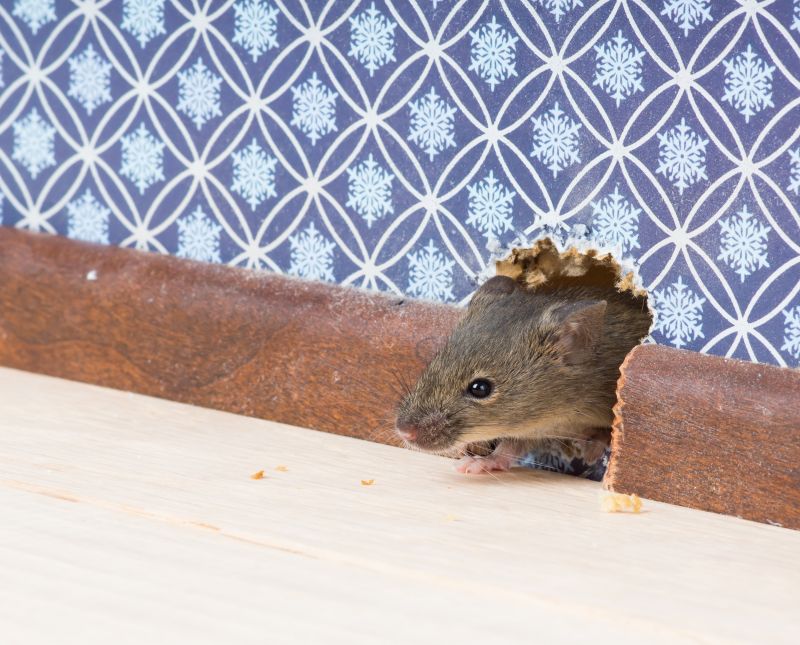
- Identify signs of dead animals in the wall, such as foul odors or visible pest activity. - Look for areas where insulation or drywall may be damaged or stained, indicating animal presence.
- Assess the extent of the infestation to determine if removal requires invasive wall access or specialized equipment. - Consider whether the dead animal is confined to a small area or has spread throughout the wall cavity.
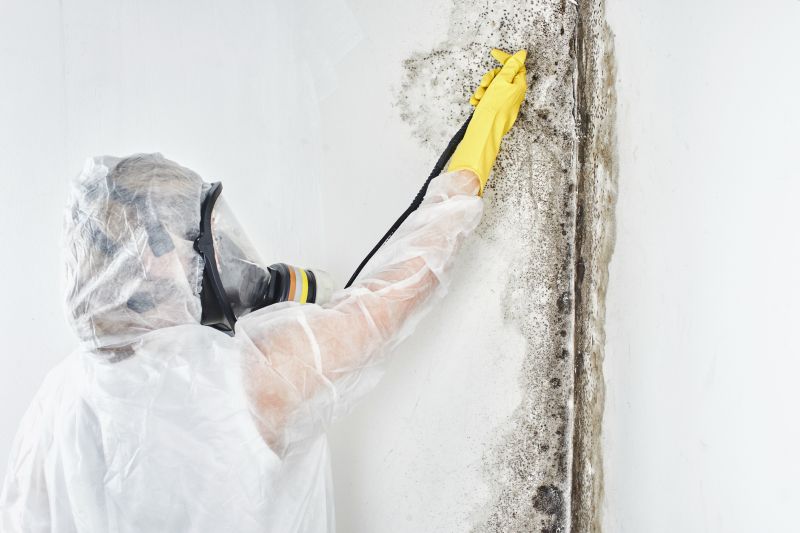
- Check for potential health hazards, including mold growth or bacteria, that may result from decomposition. - Ensure that removal procedures include proper cleanup to prevent health risks.
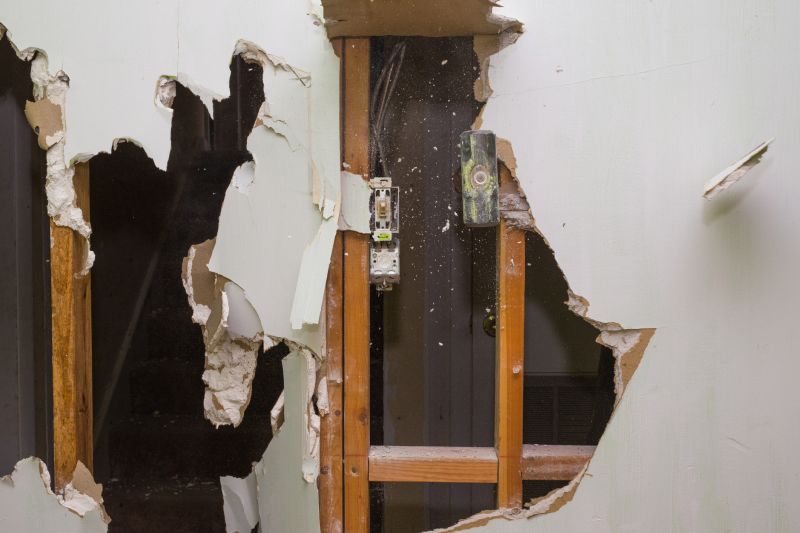
- Determine if the wall structure needs to be opened or if non-invasive removal methods are feasible. - Consult with local contractors experienced in dead animal removal for the most effective approach.
- Evaluate the need for odor removal or deodorization services after the animal has been removed. - Confirm that the chosen service providers offer odor mitigation options as part of their removal process.
- Consider scheduling a professional inspection to confirm the presence and location of the dead animal before proceeding. - Contact local service providers who can perform thorough assessments and handle the removal safely.
Use this as inspiration to refine your project scope with trusted local contractors.
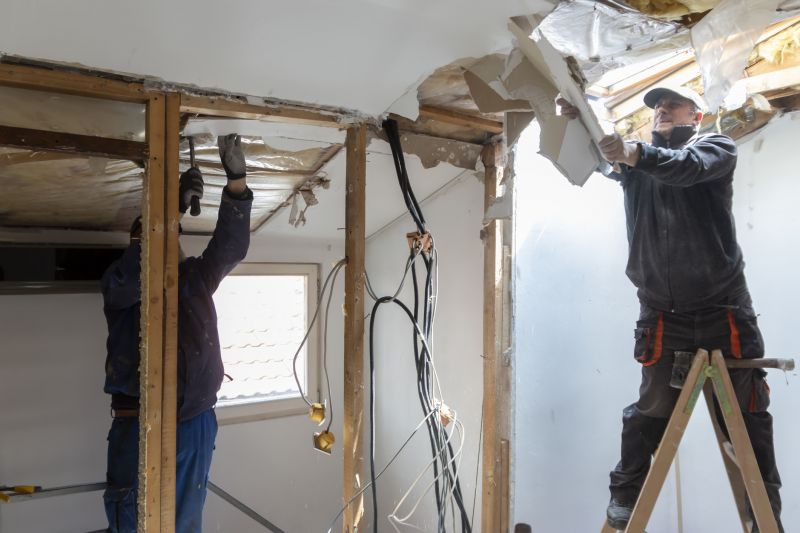
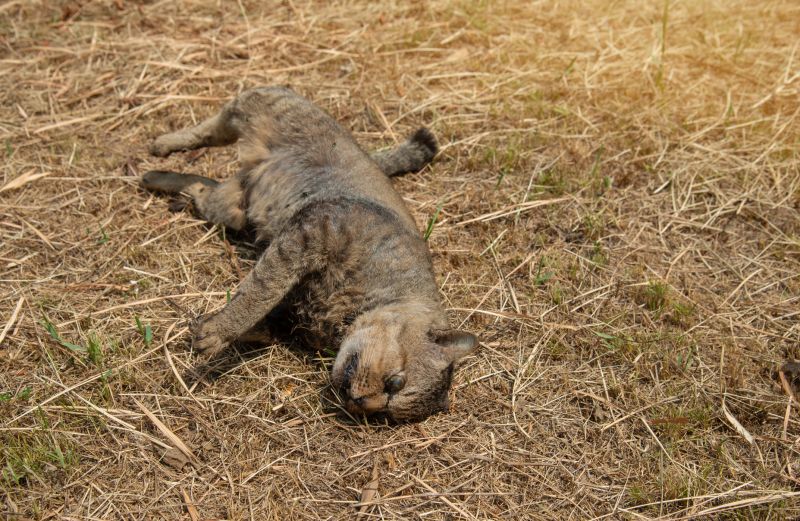
Prioritize your needs and compare local contractors to find the best service providers for dead animal removal in walls this spring.
- Dead Animal In Wall Removal - Spring is a common time to assess and address issues caused by animals that may have entered walls during colder months. Local contractors can inspect walls to identify and safely remove carcasses, preventing odor and health concerns. They can also provide advice on preventing future animal intrusions. Proper removal by experienced service providers helps maintain a clean and safe living environment. Contact local pros to handle dead animal removal and ensure thorough cleanup.
Compare trusted local contractors to find consistent, reliable dead animal in wall removal services for spring restoration projects.
- Assessment of Damage - Define the extent of the wall area affected by the dead animal and identify any visible signs of infestation or odor.
- Identification of Animal Species - Determine the type of animal to ensure appropriate removal and disposal methods are followed.
- Access Points and Removal Methods - Specify the best approach for accessing the wall and safely extracting the carcass without causing additional damage.
- Containment and Contamination Control - Establish procedures to prevent the spread of bacteria, parasites, or odors during removal.
- Disposal Procedures - Outline proper disposal methods for the dead animal to comply with local regulations and safety standards.
When selecting a service provider for dead animal in wall removal during the spring season, it is important to consider their experience with similar projects. Homeowners should look for local contractors who have a proven track record of handling wildlife removal from wall cavities, especially in environments typical of the spring months when animals are more active. An experienced pro will understand the nuances of locating and safely removing carcasses without causing unnecessary damage or disruption to the home’s structure, ensuring the job is completed efficiently and effectively.
Clear communication about the scope of work is essential when comparing local contractors. Homeowners should seek service providers who can provide a detailed explanation of what the project entails, including the steps involved in locating the animal, removing it, and addressing any potential cleanup or odor control. A well-defined scope helps ensure that expectations are aligned and that the homeowner understands what to anticipate, reducing the likelihood of surprises or miscommunications during the process.
Work planning considerations are particularly relevant in the spring, when weather conditions can influence project execution. Homeowners should inquire whether local pros plan their work around seasonal factors such as increased wildlife activity or potential moisture issues. Understanding how a contractor approaches planning-such as scheduling, site preparation, and contingency measures-can help gauge their professionalism and readiness to handle the unique challenges posed by springtime wildlife removal projects.
Evaluating options without focusing on prices involves assessing the experience, scope clarity, and planning approach of local service providers. Homeowners can compare how well each contractor communicates their process, the level of detail provided about their methods, and their readiness to adapt to seasonal conditions. Considering these factors helps identify professionals who are knowledgeable and prepared, making it easier to select a reliable partner for dead animal removal from walls during the spring season.
Request written details from service providers to ensure clear scope and expectations for spring dead animal removal.
- Scope of Dead Animal Removal - What specific areas do local contractors cover when removing animals from wall spaces?
- Experience with Wall Removal - How do different service providers compare in their experience handling wall cavity animal removal?
- Methods and Techniques - What removal methods do local contractors use to ensure thorough cleaning and sanitation?
- Post-Removal Cleanup - How do providers differ in their approach to cleaning and restoring walls after animal removal?
- Additional Services Offered - What other related services, such as odor removal or damage repair, do local contractors provide?
What causes a dead animal to be in a wall? Dead animals can enter walls through small openings or gaps, often seeking shelter or access points around the home. Over time, their remains may become trapped inside the wall cavity.
How can I tell if there’s a dead animal in my wall? Signs include a foul odor, increased insect activity, or visible signs of pest infestation near wall areas. In some cases, the smell may be the only indicator.
What are the risks of leaving a dead animal in the wall? Leaving a carcass inside a wall can lead to unpleasant odors, attract pests, and potentially cause health concerns due to decomposition and bacteria.
What methods do local contractors use to remove dead animals from walls? Service providers typically access the wall area, carefully remove the carcass, and sanitize the space to eliminate odors and prevent pest attraction.
Is wall removal necessary to remove a dead animal? In some cases, access points can be created without full wall removal, but extensive removal may be needed if the animal is deeply embedded or difficult to reach.
How can I prevent animals from entering my walls in the future? Sealing potential entry points, such as gaps around vents, pipes, and foundations, can help reduce the chances of animals accessing wall spaces.
Dead animal removal from wall cavities is an important step in restoring your home's comfort and hygiene. During spring, when homes are being refreshed and prepared for warmer months, addressing hidden nuisances like wall infestations can make a noticeable difference. Understanding the process can help you make informed decisions about which local contractors are best suited to handle the job efficiently and effectively.
By exploring options from local service providers, you can find experienced contractors capable of managing dead animal removal in wall spaces. Using the quote form allows you to compare local options and connect with professionals who can meet your specific needs. This approach helps ensure you choose the right local experts for your spring project.
Providing clear details about your dead animal removal project helps local contractors understand your needs and plan effectively.
- Experience - Share your experiences with local contractors who have handled dead animal removal in walls.
- Concerns - Describe any concerns or specific details about the wall removal process you want service providers to know.
- Location - Provide details about the location and accessibility of the affected wall area.
- Timing - Mention any timing considerations or seasonal factors relevant to planning the removal work.